
How I learned to be someone
From the boy who wanted to be a comic artist, via Ibiza to Indonesia: how recognition became a substitute for safety.
Mike FuhrmannNovember 20266 min read
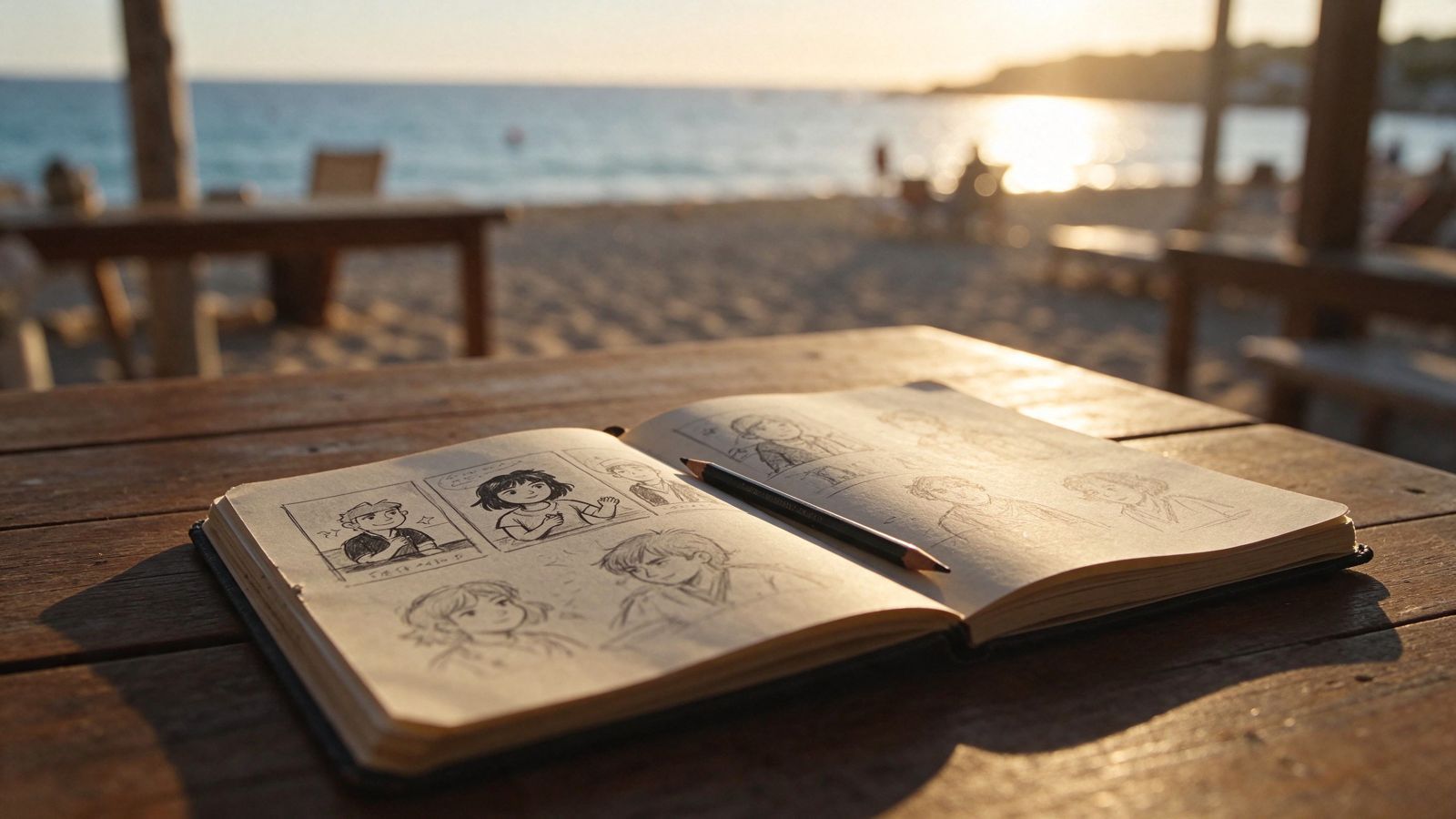
As a child, I wanted to be a comic artist.
I drew for hours, invented characters, told stories in pictures. Alone, in my room. Nobody showed me how to get better. I pieced everything together myself.
Then came the entrance exam at a private academy. I submitted work that wasn't good enough. I simply didn't know any better. And in the background a quiet chorus kept playing: It's too expensive. You won't make it like this. There's no money in art.
My parents let me do it. But I could feel that this was not the path they had imagined for me.
I didn't pass the exam. And I learned something from it that stayed with me for decades: what I create from within myself is not enough.
Ibiza: suddenly being someone
A few years later I was on holiday on Ibiza with my first great love. An adults-only club, no children. And I saw how everyone looked up to the entertainers. They were the centre. They were seen.
I wasn't one of them.
When the relationship ended, I had a thought that seems pretty naive today: if I go there and become one of them, maybe I'll win her back.
So I went. I got the job. And suddenly I was worth something.
The crazy part: when she actually came to visit me, I no longer wanted to. Not out of spite. But because I noticed I had grown a step further. We are close friends to this day. She was even my wife's maid of honour.
I had gone to Ibiza to win someone back. What I found was a new version of myself.
Back in the village: no longer belonging
After two years I came back to my home village. And fell into a hole.
My old crowd, who had never visited me on Ibiza, looked at me strangely. I laughed more. I talked to strangers. I no longer just sat at the table playing cards.
I was different. And that irritated them.
It hurt me. For the first time I felt what it is like to no longer belong, without having done anything wrong.
There were two or three people who stayed. I hadn't had that much to do with them before. Those are exactly the people I am still connected with today. And when I go to a class reunion today, I see many of the others still living the same life as back then.
That is not a judgement. It is just the realisation: whoever grows sometimes loses the place where they used to belong.
Worms: perfecting the mask
I reinvented myself and studied tourism in Worms. In my backpack: everything I had learned as an entertainer.
I DJ'd, became manager of the student club, founded a musical society, brought people together. People knew me.
From the outside it looked like self-confidence. Today I know: this is where I perfected the mask I had learned on Ibiza. I was someone as long as others saw me.
Las Vegas and Indonesia: the pain that led me to my family
During this time I met my first wife. She came from a very wealthy family. We got married secretly in Las Vegas.
When we told our parents, her parents invited mine to dinner. That evening, after my parents had left, my then father-in-law took me aside. He made it unmistakably clear that I and my family were not welcome in his house and that he would make sure his daughter separated from me again.
The pain was enormous. This person mattered so much to me back then. And once again the message was: you're not enough.
I fled. To Indonesia.
And there, in the last weeks of my journey, I met my wife. I was nobody. No title, no club, no stage. And still I had the feeling that she saw me.
Without my then father-in-law's words I would never have gone to Indonesia. I would never have met my wife. And my children would not exist.
Today I am grateful for this pain. Back then I only experienced it as rejection. For me, that is the core of "life happens for me": the meaning often only shows itself in hindsight.
What this has to do with your nervous system
For our nervous system, belonging is not a side issue. It is safety.
For our ancestors, being excluded from the group meant danger. Our nervous system has not forgotten that. Rejection triggers a real stress response in the body.
Whoever learns early that they are not enough as they are learns a way out: I'll become someone the others want to see. Recognition from outside becomes a substitute for safety from within.
That works surprisingly well. On Ibiza, in the student club, later at work. Until you notice that your worth only lasts as long as the applause.
Quick exercise: who sees you when nobody is clapping?
Take five minutes and a piece of paper today.
- Write down three people with whom you feel safe without having to perform.
- Remember a concrete moment with one of them. Where were you? How did your body feel?
- Stay with that feeling for a minute. Breathe out longer than you breathe in.
- Ask yourself: When did I last tell this person what they mean to me?
You don't have to win back any applause. Often it is enough to see the people who stayed.
Your nervous system in focus
When your self-worth depends on recognition, your body reacts to rejection as if it were danger. In addition to the exercise above:
- Notice the pull towards approval. The phone you check ten times after a post. The tug in your stomach when a reply doesn't come.
- Give your body a safety signal. A hand on your chest, your feet consciously on the floor, one long exhale.
- Seek contact without a stage. A walk, a meal, a conversation in which you don't have to perform. Those are the moments in which your nervous system learns: I am safe, even without applause.
A break with VYRA
Would you like to experience for yourself what a break with light and sound feels like? Book a personal session or enquire about the VYRA Reset Lounge for your company.
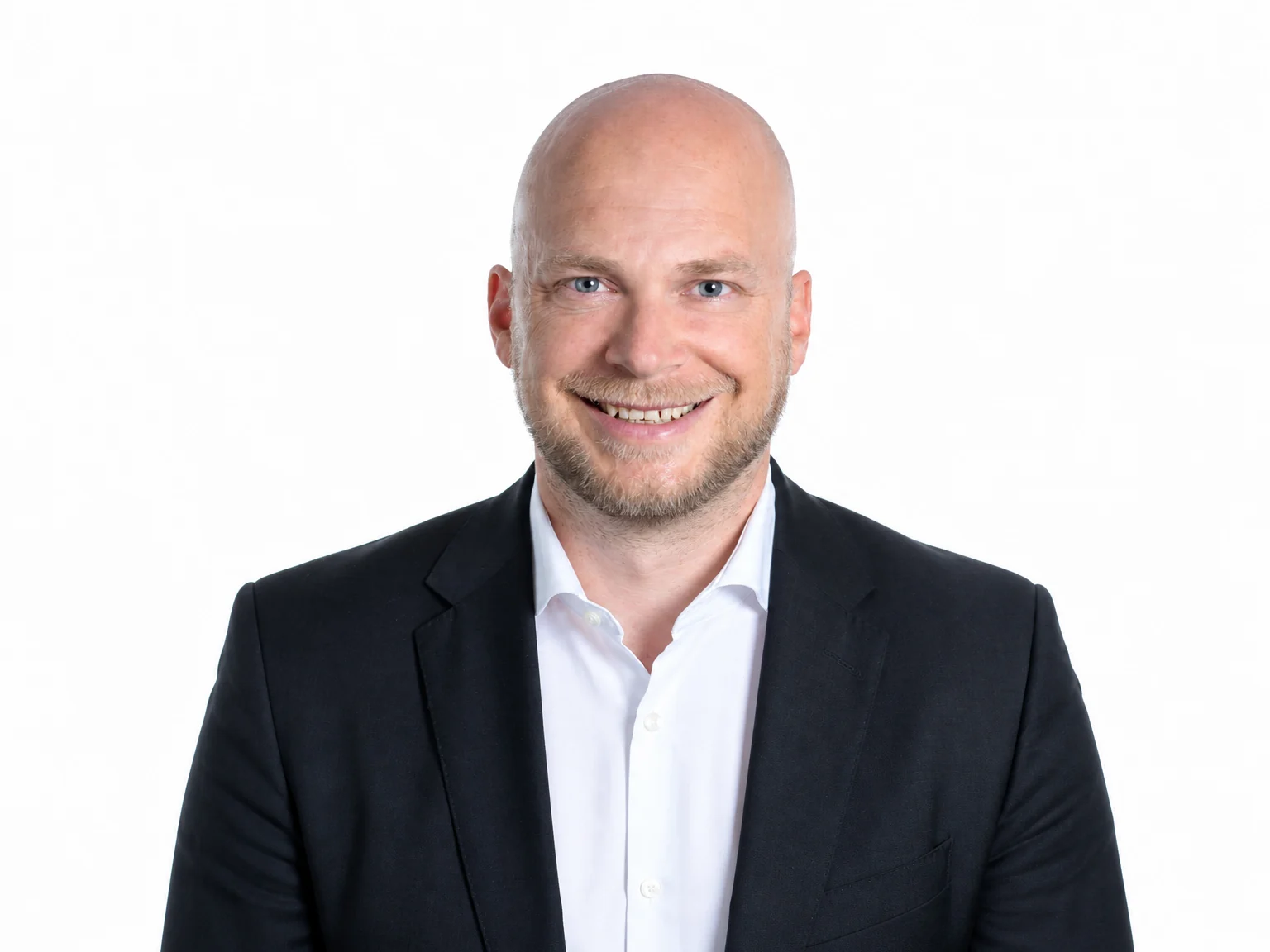
Co-Founder VYRA · Human State & MIND
Mike Fuhrmann is co-founder of VYRA Wellness and a Human State Architect. He has personally guided more than 3,500 sessions and speaks internationally about overstimulation and the art of switching off.
New insights by email
New articles and routines from the VYRA editorial team, at a calm pace.