
Life happens to me: where the victim mindset comes from
The sentences we grow up with, and why a victim mindset is often not a character trait but inherited protection.
Mike FuhrmannNovember 20265 min read
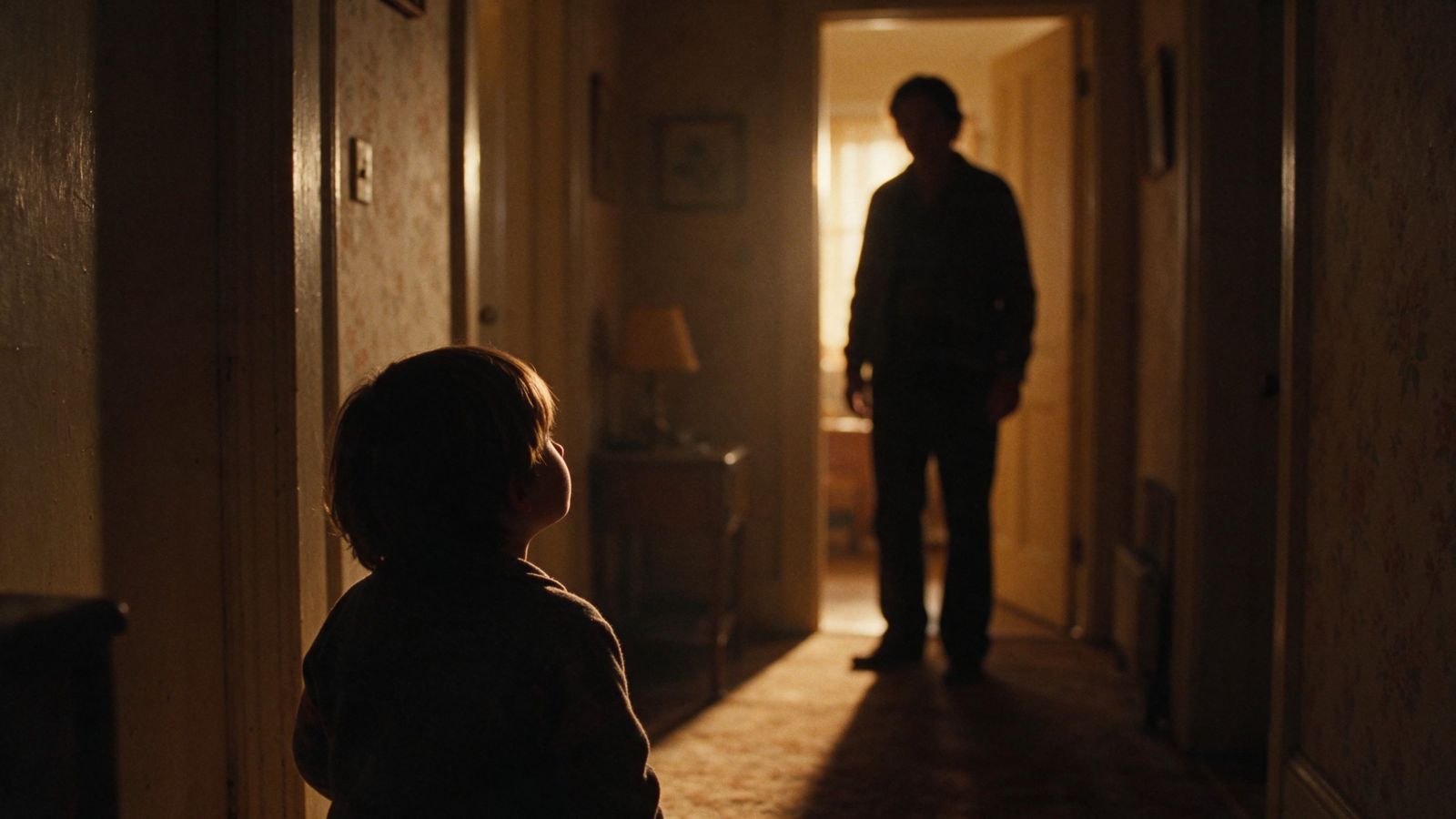
"The little man can't achieve anything."
"The people at the top decide."
I heard these sentences often as a child. They weren't said with malice. More with weariness. Like a truth everyone simply knows.
For a long time I didn't notice how deeply they were rooted in me.
The first sentence of my journey
This series tells my journey in three sentences: Life happens to me. Life happens for me. Life happens through me.
The first sentence describes how I grew up. Life happens to you. You have little influence. You adapt, you hold on, you hope it turns out well.
The first two parts were about the mask at work and the silent bankruptcy when the strength for the role runs out. This part is about the root: the sentences we grow up with.
My parents wanted to protect me
Today I know: my parents didn't want to make me small with these sentences. They wanted to protect me.
From disappointment. From the experiences they had made themselves. From the world as they had experienced it.
If you often experience others deciding about your life, you draw a conclusion: better not to expect too much. Then it hurts less.
A victim mindset is often not a character trait. It is inherited protection.
And that is exactly why it matters not to read it as an accusation. Recognising your victim mindset doesn't mean blaming anyone. Not your parents. Not yourself.
How the old sentences sound today
As adults we rarely say such sentences out loud. They sound different, quieter, more reasonable:
- "That's just how it is."
- "This always happens to me."
- "If my boss were different, I'd be better off."
- "Someday, when the circumstances are right."
- "Other people are just luckier."
Sometimes these sentences are even partly true. Not everything is in our hands. But when they become our basic stance, we give away something valuable: the feeling that we can make a difference.
What this has to do with the nervous system
If you feel at the mercy of life, you live in a quiet state of constant readiness.
The nervous system learns: I have no influence. So I have to be vigilant. So I have to adapt before something happens.
This state feels normal because it is so familiar. But it costs. It makes us cautious where we could be brave. And it makes us react where we could shape.
A victim mindset is not just a thought. It is a state the body has learned.
That is good news. Because states can change.
The sentence that shifted everything
At some point I came across a sentence that changed my life:
"Life happens for you, not to you."
At first it sounded almost provocative to me. The hard things too? The disappointments too? The things I didn't choose?
Today I understand it like this: not everything that happens is good. But in everything that happens there is a question for me. What is this trying to show me? What matters to me? Where is my growth?
Today I carry my version of it as a tattoo on my arm: the Flower of Life, and around it "Life happens for you, be grateful". When and why I had it done, I tell in a later part of this series.
From victim to learner
The way out of the victim mindset is not a leap. It is a shift.
From "Why is this happening to me?" to "What can I learn from it?".
From "Others decide" to "What can I decide today, even if it is small?".
From "I can't do anything" to "I can change my state, and see further from there".
Don't be a victim of life. Be a student of life.
Quick exercise: finding the old sentence
Take five minutes and a piece of paper this evening.
- Write down a sentence you often heard as a child and that still accompanies you today.
- Ask yourself: What did this sentence want to protect me from?
- Write a new sentence next to it that gives you more room today. Not exaggeratedly positive, but honest. For example: "I can't influence everything, but more than I thought for a long time."
- Read both sentences out loud. Notice what changes in your body.
What changes when your stance changes
I didn't stop feeling small overnight. The old sentences still speak up sometimes.
But now I hear them as what they are: protection from another time. Not as the truth about me.
And every time I recognise that, "life happens to me" becomes a little more "life happens for me".
Your nervous system in focus
Old sentences often trigger a physical reaction before we even think them. In addition to the exercise above:
- Notice the contraction. When a "that's just how it is" shows up: does your breath get shallower, your gaze drop, your shoulders rise?
- Create a moment of distance. Exhale slowly and say inwardly: "That is an old sentence." Just naming it takes some of its power away.
- Find a small room for action. One thing you can decide today, however small. Your nervous system learns self-efficacy through experience, not through insight.
A break with VYRA
Would you like to experience for yourself what a break with light and sound feels like? Book a personal session or enquire about the VYRA Reset Lounge for your company.
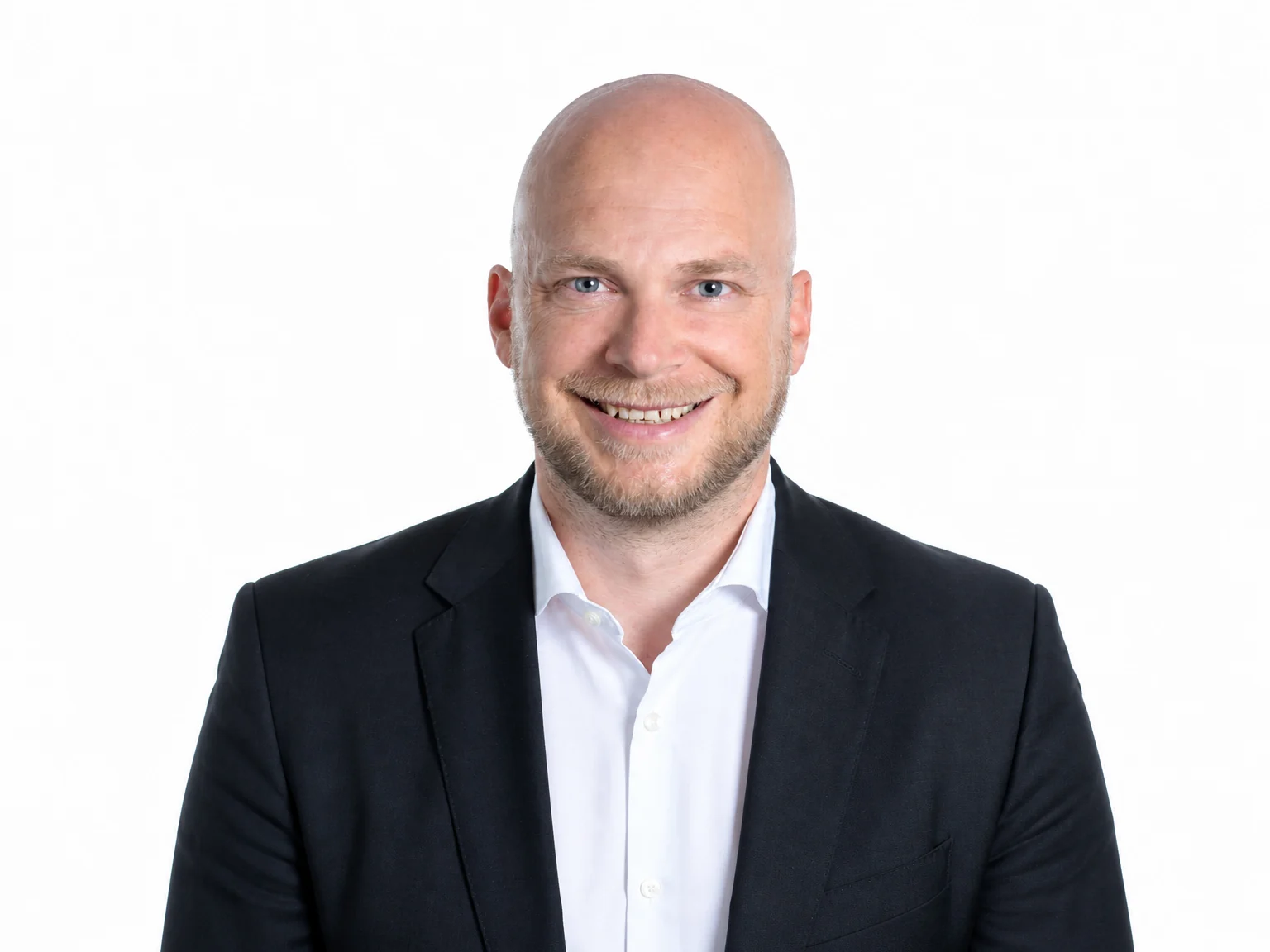
Co-Founder VYRA · Human State & MIND
Mike Fuhrmann is co-founder of VYRA Wellness and a Human State Architect. He has personally guided more than 3,500 sessions and speaks internationally about overstimulation and the art of switching off.
New insights by email
New articles and routines from the VYRA editorial team, at a calm pace.