Overstimulated: Why we have forgotten how to switch off
Always on, never really switched off? Why we need moments of calm, how to recognise constant alarm and three simple ways to find your way back to yourself.
Mike FuhrmannNovember 20267 min read
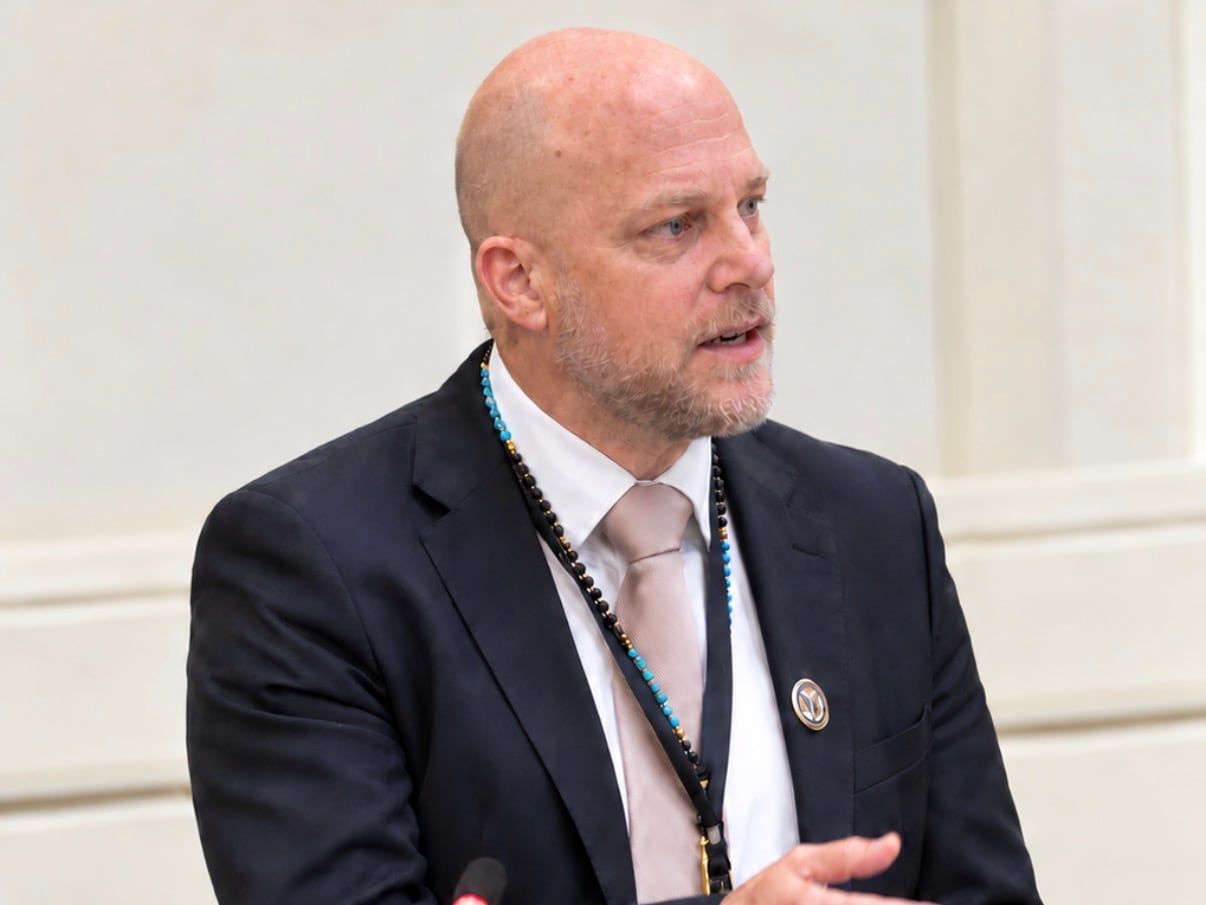
Mike Fuhrmann speaking about «The Human State» as a World Changer at the World Changer Summit in the Vatican, 22 October 2026.
From the outside, my life looked successful.
For more than twenty years I worked in marketing and leadership, sat on executive boards and was responsible for teams and budgets. And at some point I realised: the strategies that had made me successful were in the process of destroying me. Work more. Carry more. Push through.
I was exhausted and wired at the same time. Tired, but without sleep. Full of thoughts, but without clarity.
What I did not understand back then, and know today:
I had not lost my abilities. I had lost access to them.
Creativity, composure, compassion, focus: it was all still there. I just could not reach it any more. Not because I was too weak, but because my nervous system had been running in alarm mode for years.
If you recognise yourself in these lines, this article is for you.
Why we need moments of calm
Your nervous system decides at every moment whether you are safe or in danger. Long before you consciously think about it.
When it senses safety, it opens up access to your best sides: curiosity, creativity, connection, clear thinking. When it senses danger, it switches to survival: pulse up, focus narrow, thoughts going round in circles.
That makes sense when a car is racing towards you. It makes less sense when the «danger» is a full inbox, a difficult meeting and a hundred push notifications a day. And that is exactly how many of us live today: in constant alarm, without a real break. Our nervous system needs moments of calm.
Under chronic stress we do not become less intelligent. Our intelligence simply serves survival. Uncertainty feels like danger. Disagreement feels like an attack. Speed becomes more important than wisdom.
Switching off does not mean always being calm. That would be neither possible nor sensible. Our nervous system is flexible: it can ramp up when it needs energy and wind down again when the situation is over.
The opposite of constant alarm is not calm. It is choice.
The ability to stay present under pressure. To have a space between stimulus and response. And in that space, to decide how you want to respond.
When constant alarm becomes normal
Most people do not notice it through a big breakdown, but through small things that slowly start to feel normal:
- You are dead tired in the evening but lie awake. Or you wake up at three in the morning and your mind starts running straight away.
- The carousel of thoughts keeps turning, and the more you try to stop it, the faster it spins.
- In your head you keep playing out the worst: the conversation that goes wrong, the mistake that comes to light.
- You can hardly concentrate any more and reach for your phone every few minutes.
- Little things irritate you that would not have bothered you before.
- At the weekend you do not feel rested, but empty.
These are not weaknesses of character. They are signals that you have carried too much for too long.
You are not alone in this. In Switzerland, almost one in three working people feels emotionally exhausted, more than ever since measurements began in 2014 (Job Stress Index 2022, Health Promotion Switzerland).
State literacy: the three questions that change everything
We have become very good at measuring ourselves. Steps, sleep phases, heart rate. And surprisingly bad at sensing ourselves.
Knowing your score is not the same as knowing yourself. And knowing your state is not the same as being able to change it.
I call what we are missing state literacy: the ability to read your own state and to change it consciously. It begins with three simple questions:
- What state am I in right now? Tense, exhausted, scattered, irritable, empty?
- What state does this moment need? Calm in the evening? Focus for a task? Energy for a conversation? Connection with another person?
- What helps me get there?
There is no perfect state. There is only the right state for the next meaningful step.
After more than 3,500 personally guided sessions, I have learned one thing: people do not need anyone to tell them how they should feel. They need ways to discover for themselves what is good for them.
Three ways back to yourself: Mind, Body, Space
First things first: constant alarm cannot be thought away. Anyone who tries to stop the carousel of thoughts with even more thoughts usually just makes it spin faster. So try it through the senses, the body and the space around you.
1. Mind: through the senses
Light, sound and rhythm accompany us throughout the day: the music we like to listen to, the rhythm of a walk, the warm light in the evening.
Try it now. Close your eyes for two minutes, listen to a calm, even piece of music and let your attention rest only on the sound. Do not judge, just listen.
Part of this approach for us is a wearable with light and sound for conscious breaks in everyday life, without you having to be able to «meditate properly».
2. Body: signalling safety through the body
The body is the quickest way to show your nervous system: the danger is over.
Try it now. Breathe in for four seconds and out for six to eight seconds. Repeat this five times. The longer exhale is a simple signal for your body to wind down.
Movement, cold, warmth, a walk without your phone or conscious eating are part of it too.
3. Space: the room you live and work in
Most wellness offerings focus on the person. The space around us stays passive. Yet it constantly shapes how we feel: light, noise, clutter, screens, scent, stimuli.
Also part of this approach for us are devices for your space, with which we want to shape your surroundings more consciously.
Try it now. Make your bedroom a place of transition. Dimmed light in the evening, no phone in bed, a scent or a ritual that tells your body: the day is over now.
The distance between two moments
I am not writing this because I have mastered it perfectly. I am writing it because I know what it feels like to lose access to yourself, and how much becomes possible when it comes back.
A few years ago I no longer wanted to be here. In October 2026 I stood in the Vatican and spoke to people from all over the world about exactly this topic.
The distance between these two moments is not measured in kilometres. It is measured in states.
And your state also shapes your next conversation, your next evening, your next decision.
Start today with a single question: what state am I in right now?
Frequently asked questions
What does overstimulated mean?
Overstimulated means your nervous system stays switched on all day, through messages, meetings, noise and screens. It no longer switches off even when there would be time to rest. Many people only notice when they are tired in the evening and still cannot wind down.
How can I tell that I am in constant alarm?
Typical signs are a mind that never stands still, little patience, shallow breathing and the feeling of only reacting instead of choosing. Over time, constant alarm starts to feel normal. That is why it helps to ask yourself a few times a day: what state am I in right now?
How do I find my way back to myself?
The article describes three paths: through the senses (Mind), such as two minutes of calm music with your eyes closed, through the body (Body), such as breathing in for four seconds and out for six to eight, and through the room (Space), such as dimmed light and no phone in bed. It is not about more rest, but about being able to choose again.
A break with VYRA
Would you like to experience for yourself what a break with light and sound feels like? Book a personal session or enquire about the VYRA Reset Lounge for your company.
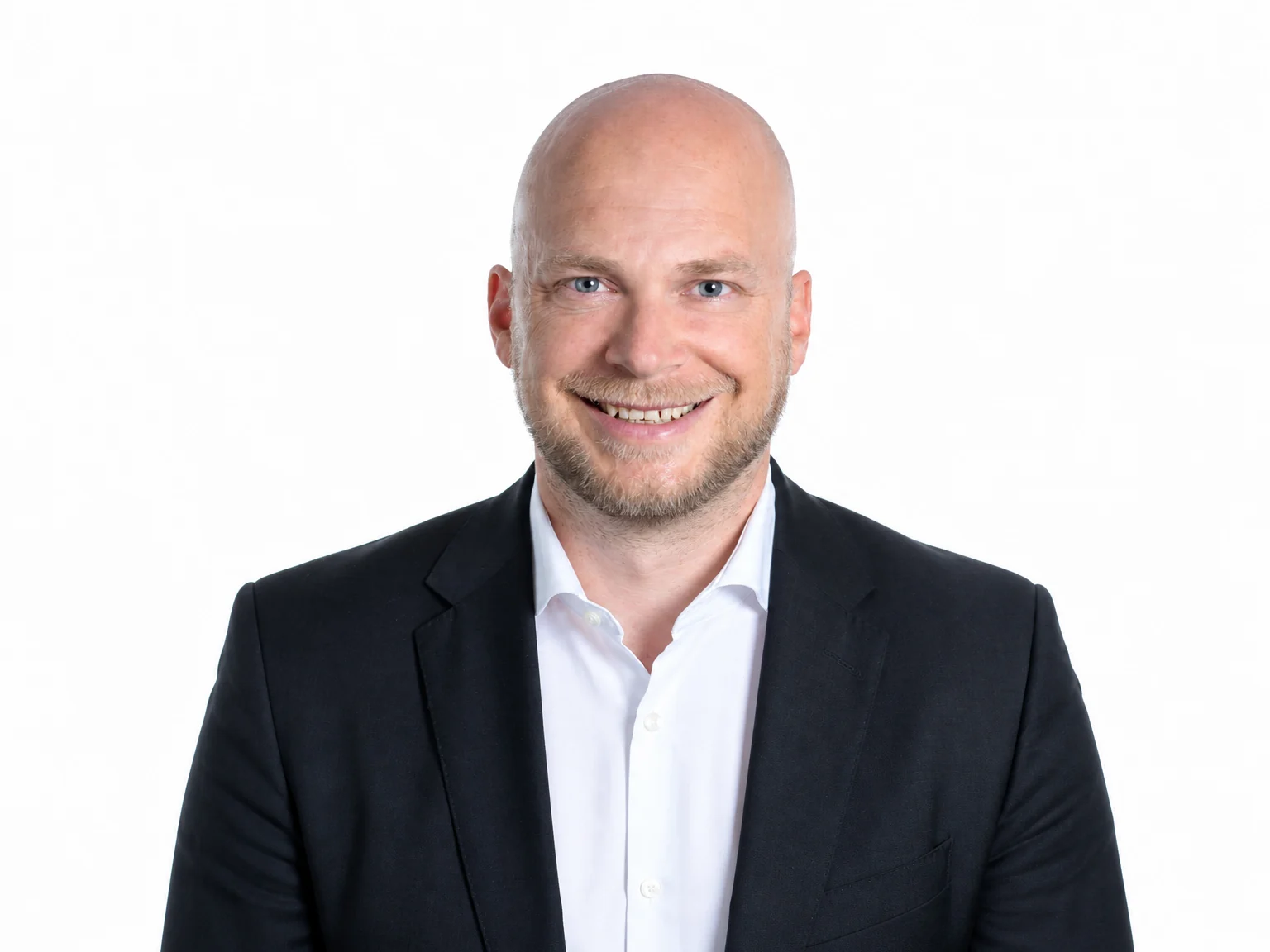
Co-Founder VYRA · Human State & MIND
Mike Fuhrmann is co-founder of VYRA Wellness and a Human State Architect. He has personally guided more than 3,500 sessions and speaks internationally about overstimulation and the art of switching off.
Sources
New insights by email
New articles and routines from the VYRA editorial team, at a calm pace.