
The changemaker who wanted to please
Advertising, medtech, corporate: celebrated outside, smiled at inside. On people pleasing and the quiet stress response called fawn.
Mike FuhrmannNovember 20266 min read
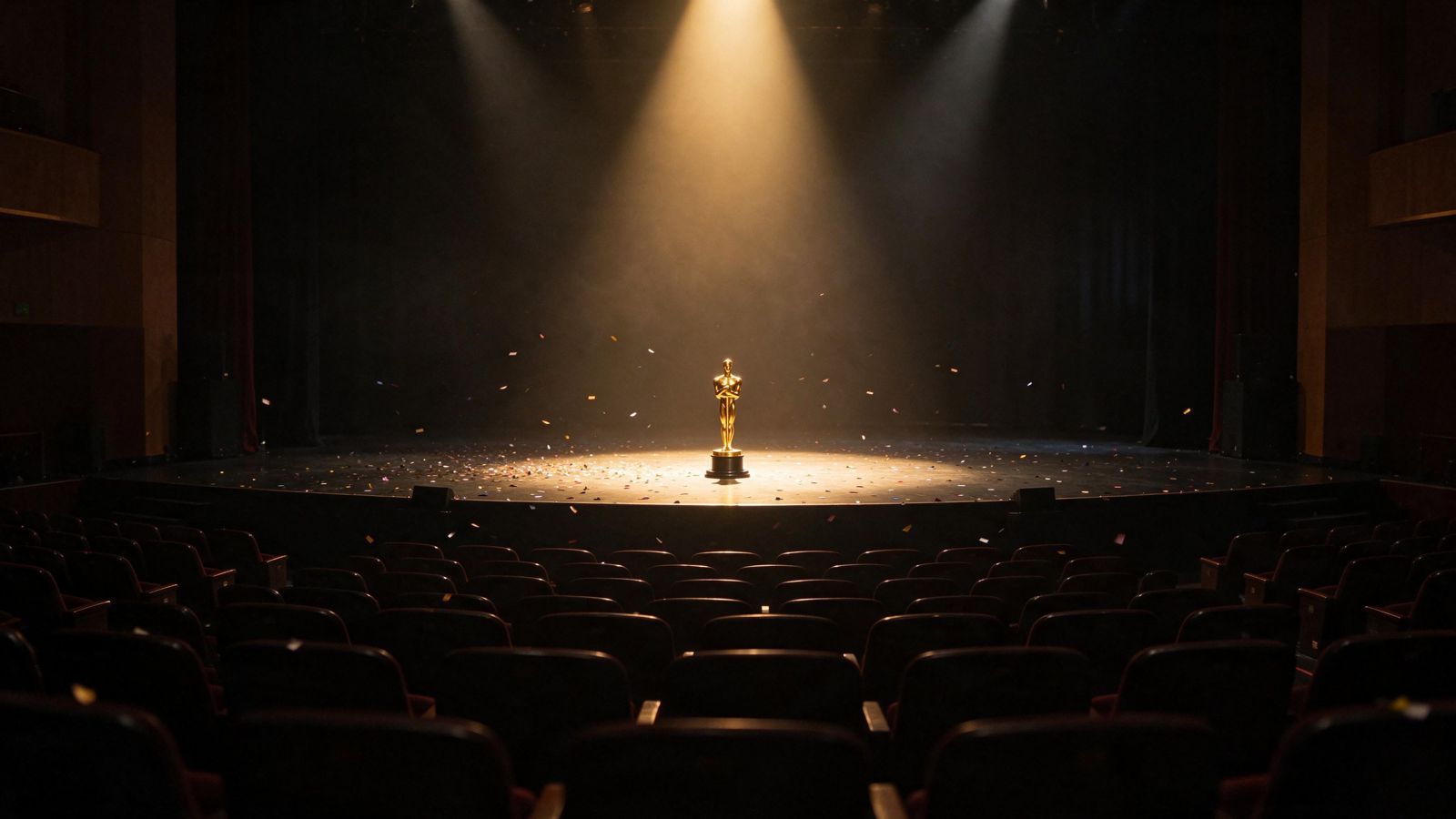
I was extremely successful in advertising.
Whether I was looking after clients on the agency side or later sat on the company side myself: people liked me. I could advise them, help them think further. I had a feel for what others needed, often before they knew it themselves.
For a long time I thought that was talent. Today I know: it was also a survival strategy.
The client I never had
After my studies I started at an event agency in Hamburg that was on the verge of insolvency. My salary came late or not at all. Then I moved to an advertising agency in Cologne.
There I experienced the same thing again and again: clients liked our ideas. They wanted to change something. But they couldn't push it through internally. In the end the bold idea became the safe one.
At some point I wanted to be the client I never had myself. One who has the courage to really change something.
In parallel I trained as a film producer at the Kölner Filmhaus. I wanted to communicate on another level, to understand how stories carry people along. And whenever someone said "that's not possible", I somehow did it myself.
The thesis nobody likes to hear
Over all those years I made an uncomfortable observation: many of the best advertising people I know, myself included, are people pleasers.
People with a fine radar for what others want. Who need the applause, the award, the evening at the gala. Not because they are vain. But because without that validation they don't feel valuable.
That makes them brilliant at their job. And it costs them enormously.
Burnout: "the wrong time, the wrong place"
I received my first burnout diagnosis during my time at Zurich. My manager at the time told me, roughly, in front of the whole team: you are incredibly creative, that is exactly what we actually need. But you are in the wrong place at the wrong time.
That sentence hit me harder than any criticism.
I was advised to rest at home. I wanted to work. I just knew: I can't do it in this system. During that time I produced my film "The Case of Conrad Cooper" and shot it in the USA. For me it was proof that I can work. Just not in every environment.
Important: that was my path, not a recommendation. When you are exhausted, medical support, a break or even medication are exactly the right thing for many people. Talk to a professional before you decide.
Hocoma: the best job and the old trap
Then came Hocoma, a medtech company for neurorehabilitation. As Chief Creative Officer I was responsible for marketing, communication and later also product management.
Professionally, it was the best time of my life. We had a huge purpose. We showed how the brain can help people learn to walk again. Without that time I would not be where I am today.
But even there was a limit. The company was highly innovative, led by brilliant engineers. It measured itself at its own congresses and expert forums. Hardly anything was invested in making sure this innovation really reached people. Marketing was a cost centre, never a lever.
And me? I didn't manage to change that. Not because the people there were bad. But because, as a people pleaser, I kept doing what mattered to them. Until I no longer had the strength for it.
Generali: eye level instead of subordinates
When Generali approached me, I saw the chance to finally be the client I had always wished for. I wanted to bring customer centricity into an industry that urgently needs it.
I wanted people around me who work at eye level. I remember situations in which someone put a banner in front of me and asked: "Is this okay?" My answer was: you're the expert. If you don't like it, why are you showing it to me? Make it so that it works for you. Then we can talk about it.
I never looked for subordinates. I looked for people I could learn from.
From the outside it was a success story. They called me the "growth hacker of the insurance industry". I was able to bring my passion for film, music and education into partnerships with the Zurich Film Festival and the Swiss Music Awards that the industry had not seen in this form before.
Fame on the outside. Applause on stage.
And in the executive board? There I was more "the creative one". The one with the passion for the customer and the customer experience that people smiled at a little. As if, for a service provider, every other area were more important than the people it exists for.
Celebrated outside, smiled at inside. This is exactly the tension a people pleaser endures the longest, and the one that costs him the most.
For five years I had similar conversations every year. About budgets, priorities and what marketing is actually supposed to achieve. Once again I was the changemaker who wanted to please. I got my applause outside because inside I didn't get the weight I wished for. And that slowly wore me down.
What this has to do with your nervous system
When we think of stress, we think of fight or flight. But there is a third, quiet response, described in trauma research as fawn: adapting, pleasing, appeasing.
Whoever learned early that safety depends on other people's approval develops an extremely fine radar for expectations. That is a strength. In agencies, in sales, in leadership.
The price: your nervous system is constantly busy reading other people's moods. Your own direction comes last. And change that requires disagreement feels like danger to your body.
You can't want to change things and need to be liked by everyone at the same time.
Quick exercise: one honest no a day
- Pick a small situation today in which you would normally say yes automatically.
- Pause briefly. Feel what your body says: tightness in your throat? Pressure in your stomach?
- Take one long exhale.
- Say kindly what you really think. A "let me think about it for a moment" counts too.
Then watch what happens. Usually the world simply keeps turning. And your nervous system learns: I am safe, even when I don't please.
Your nervous system in focus
For the body, people pleasing means constant attention directed outwards. In addition to the exercise above:
- Notice the reflex. The quick yes, the smile before you have thought. Just noticing it interrupts the pattern.
- Bring your attention back into your body. Between two conversations: three breaths, feel your feet, let your shoulders drop.
- Surround yourself with people at eye level. Relationships in which disagreement is allowed are like training for the nervous system: it learns that closeness and honest opinions go together.
A break with VYRA
Would you like to experience for yourself what a break with light and sound feels like? Book a personal session or enquire about the VYRA Reset Lounge for your company.
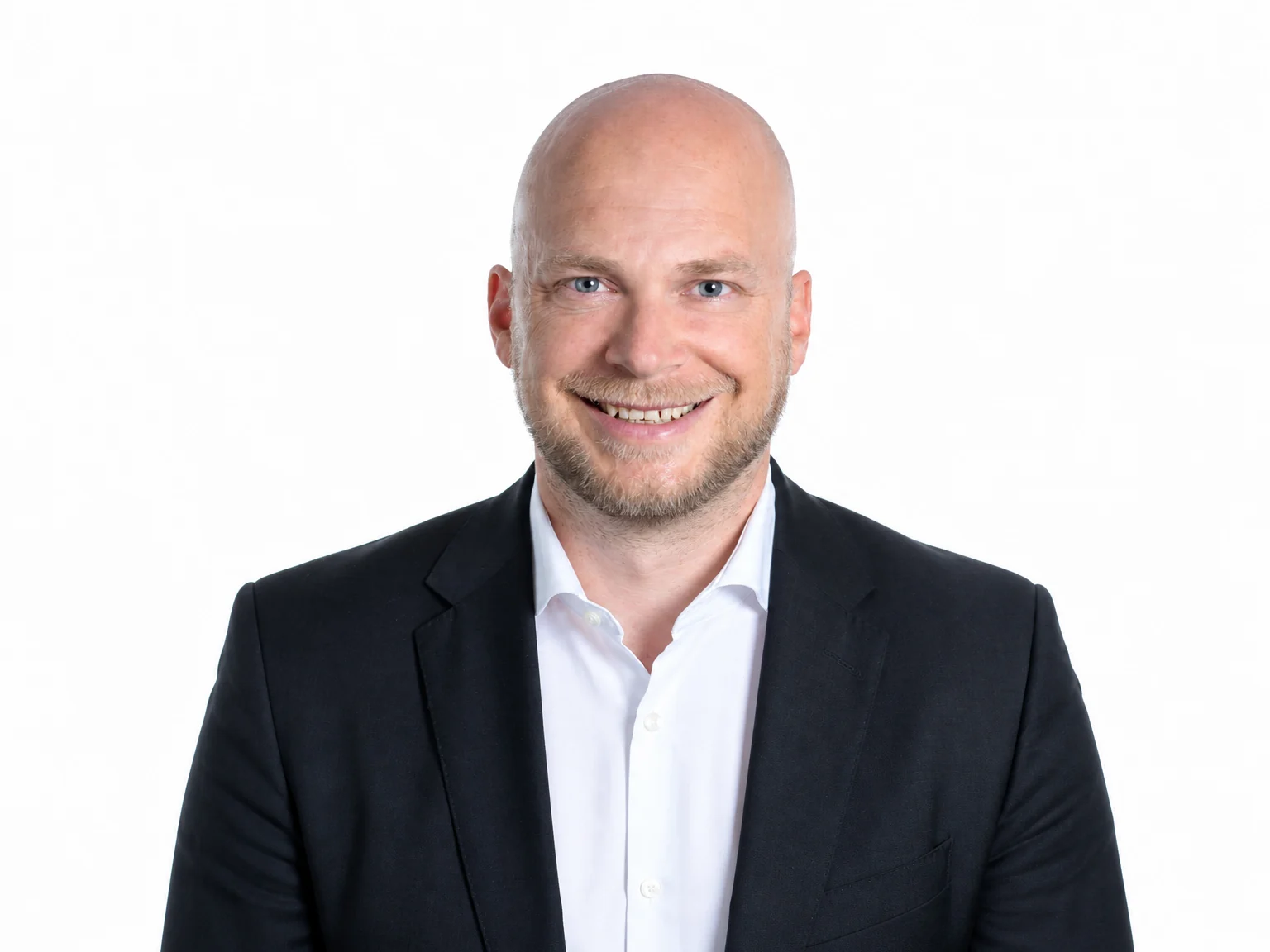
Co-Founder VYRA · Human State & MIND
Mike Fuhrmann is co-founder of VYRA Wellness and a Human State Architect. He has personally guided more than 3,500 sessions and speaks internationally about overstimulation and the art of switching off.
New insights by email
New articles and routines from the VYRA editorial team, at a calm pace.