We have everything. So why are we still so exhausted?
A good salary, benefits, wellbeing apps and still exhausted? Why exhaustion is rarely a matter of willpower and what our nervous system has to do with it.
Mike FuhrmannNovember 20265 min read
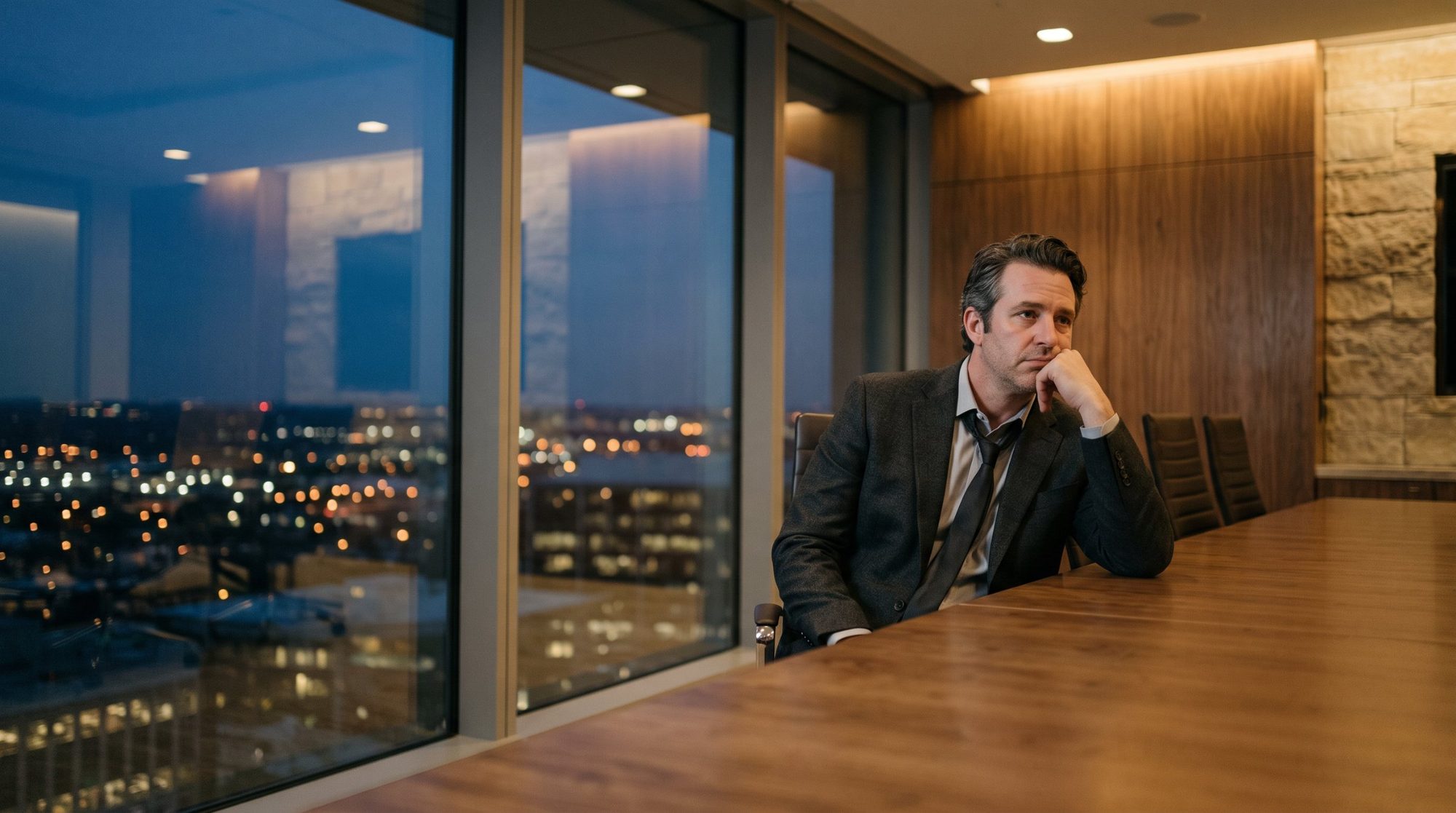
A good salary. Flexible working hours. A fruit basket in the kitchen. A mindfulness app on the company phone. A yoga class on Wednesday evenings.
And yet almost one in three working people in Switzerland is emotionally exhausted.
30.3 per cent. More than ever since the Job Stress Index was first measured in 2014. A good 28 per cent of working people are in the critical range: their demands are greater than the resources they have. This costs the Swiss economy around 6.5 billion francs a year.
We have more offerings than ever before. And it is not getting better.
Why?
Successful on the outside. Empty on the inside.
I do not know this question from studies, but from the inside.
I worked in marketing and leadership for more than twenty years. At Hocoma, a pioneer in rehabilitation technology, I came into contact with neuroscience for the first time. At Generali Switzerland I experienced what pressure on an executive board feels like from the inside.
From the outside, my life looked successful. Career, recognition, financial security.
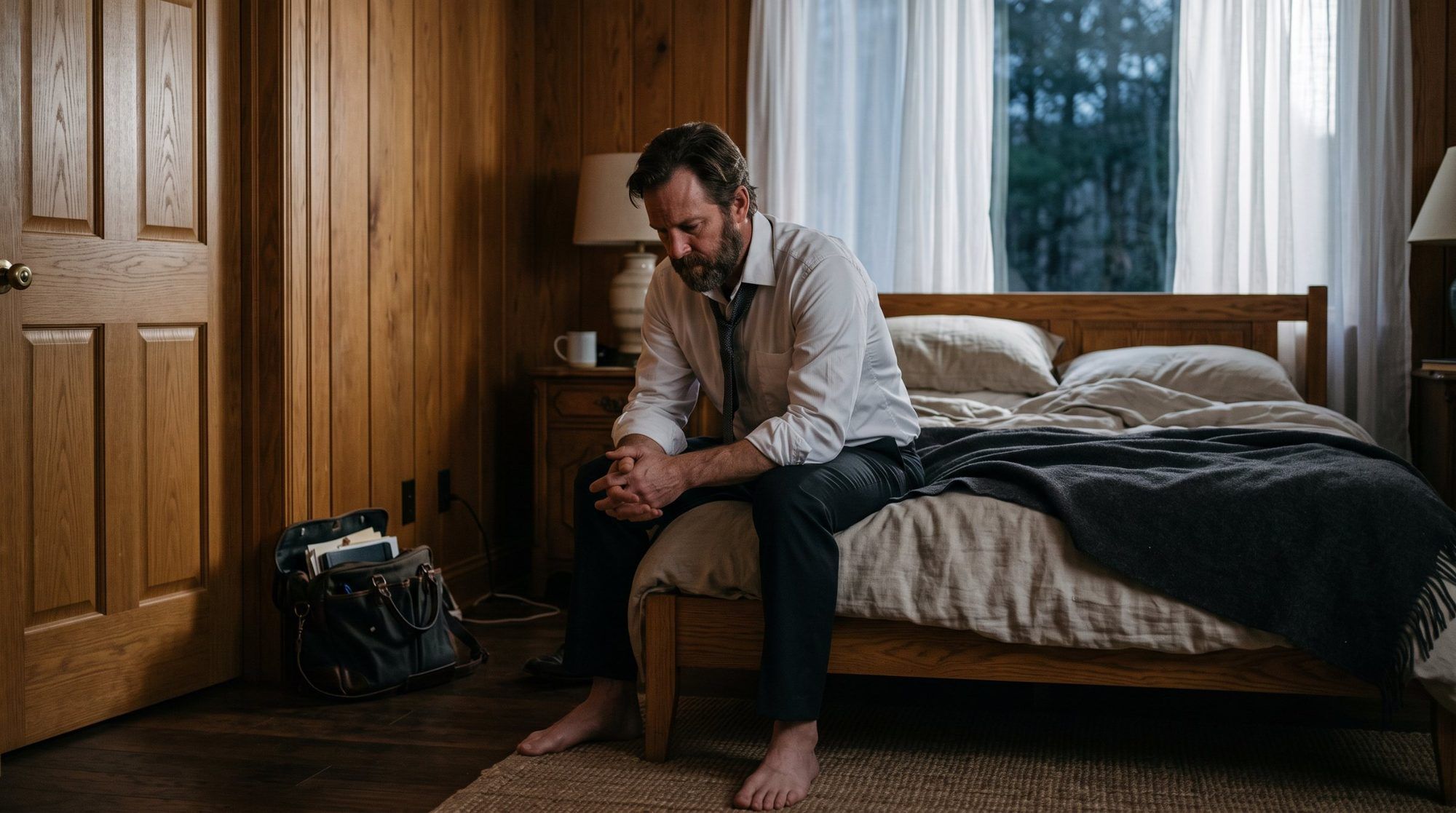
On the inside I was empty. Burnt out. Numb.
Success can look very convincing while the person behind it is slowly disappearing.
And the crazy thing was: the strategies that had made me successful were exactly the ones destroying me. Work more. Carry more. Push through.
I did not need another productivity method.
I needed to become reachable again. For myself.
Exhaustion is not a lack of willpower
When we talk about exhaustion at work, we often talk about time, tasks and organisation. About too many meetings and too few staff.
All of that is true. But it does not explain why two people in the same job react so differently. Or why a weekend, a week's holiday or a new benefit often changes so little.
The answer lies deeper. In our nervous system.
Your nervous system checks at every moment whether you are safe. If everything points to danger, it switches to survival. In the short term that is brilliant. It makes you fast, alert, ready to act.
The problem begins when this state no longer ends.
When the inbox is never empty. When your phone still buzzes at 10 pm. When every conversation feels a little like a test.
Then your system runs on constant alarm. And that costs energy that at some point runs out.
Stress does not make us less intelligent. It puts our intelligence in the service of survival.
Uncertainty feels like danger. Criticism like an attack. Speed becomes more important than wisdom, control more attractive than trust.
And at some point there is nothing left for what really makes us who we are: curiosity, creativity, humour, connection.
Why «more» does not help
Many offerings start where the problem has already happened. After work. At the weekend. In an app you are supposed to open when you actually have no energy left to open anything.
That is well meant. But a nervous system that runs on alarm for eight, ten, twelve hours cannot be balanced out with twenty minutes in the evening.
We have got used to seeing exhaustion as individual failure. You need to plan better. Go to bed earlier. Do more sport. Think more positively.
Yet the real question is a different one:
Not: what is wrong with me? But: what state am I actually living in all day?
Taking the quiet signs seriously
Exhaustion rarely comes overnight. It comes quietly. With signs that slowly start to feel normal:
- You are tired but cannot switch off.
- You function, but you feel little.
- Little things throw you off balance.
- Holidays help for three days, then everything is as before.
- You say «I'm fine» more often than you would like.
If you recognise yourself here: this is not a sign of weakness. It is a sign that your system has carried too much for too long.
What you can do today
Switching off does not begin with a big programme. It begins with small moments in which you show your nervous system: right now there is no danger.
Try it now 1: The transition. Before you head home after work or close your laptop, take two minutes. Breathe in for four seconds, out for six to eight seconds. Five times. Only then move on to the next part of your day.
Try it now 2: The state question. Ask yourself three times a day: what state am I in right now? What does this moment need? What helps me get there? Do not judge. Just notice.
Try it now 3: One stimulus less. Put your phone out of sight for the next hour. Notice how often you want to reach for it.
We have not lost our abilities
When my own state changed, much of what I had thought was lost came back. Curiosity. Creativity. Compassion. Courage.
I had not lost my abilities.
I had lost access to them.
I believe this is exactly what many people are experiencing right now. And many companies. We do not have too little talent, too little motivation, too few benefits.
We are in a state that blocks our access to all of it.
The next stage of wellbeing is therefore not more data, more offerings, more programmes.
It is the ability to recognise your own state and to change it.
Frequently asked questions
Why am I exhausted when everything seems fine?
Exhaustion often has less to do with outer circumstances than with the state we live in all day. Being under pressure and switched on all the time uses up energy, even when pay, team and benefits are right. Successful on the outside and empty on the inside can go together.
Is exhaustion a matter of willpower?
No. Under constant pressure, the body puts our intelligence in the service of survival. More discipline then helps very little. A more useful question is: what state am I actually living in all day?
What can I do today?
The article suggests three small exercises: before finishing work, spend two minutes breathing in for four seconds and out for six to eight, ask yourself three times a day «What state am I in right now?» and put your phone out of sight for an hour. If you have felt exhausted or empty for weeks, please seek medical or psychological support.
Your next step with VYRA
Would you like to experience what it feels like to take a conscious moment of calm with light and sound? Book a personal session. Or bring the VYRA Reset Lounge into your company, as a space for short breaks in the middle of the working day.
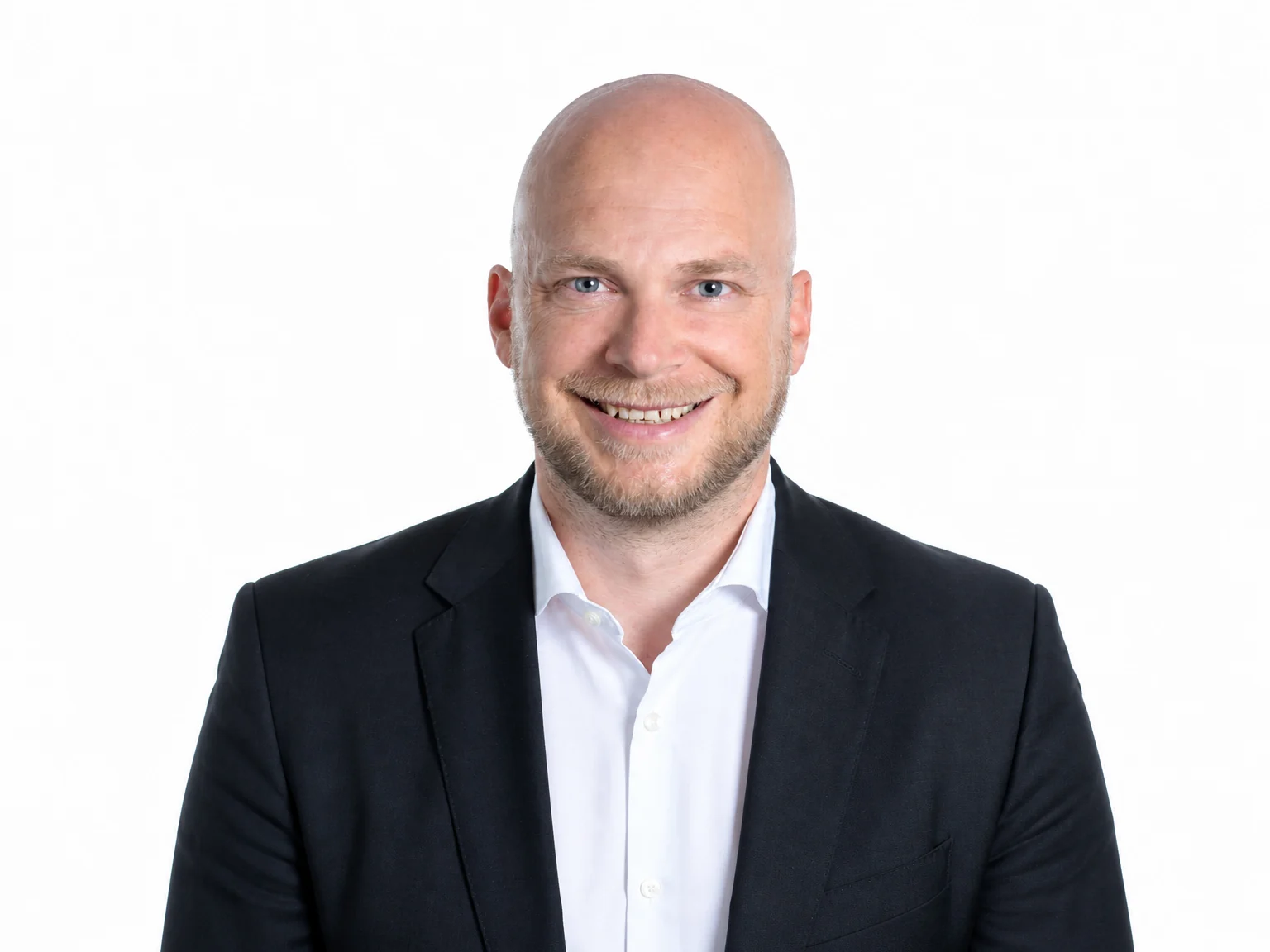
Co-Founder VYRA · Human State & MIND
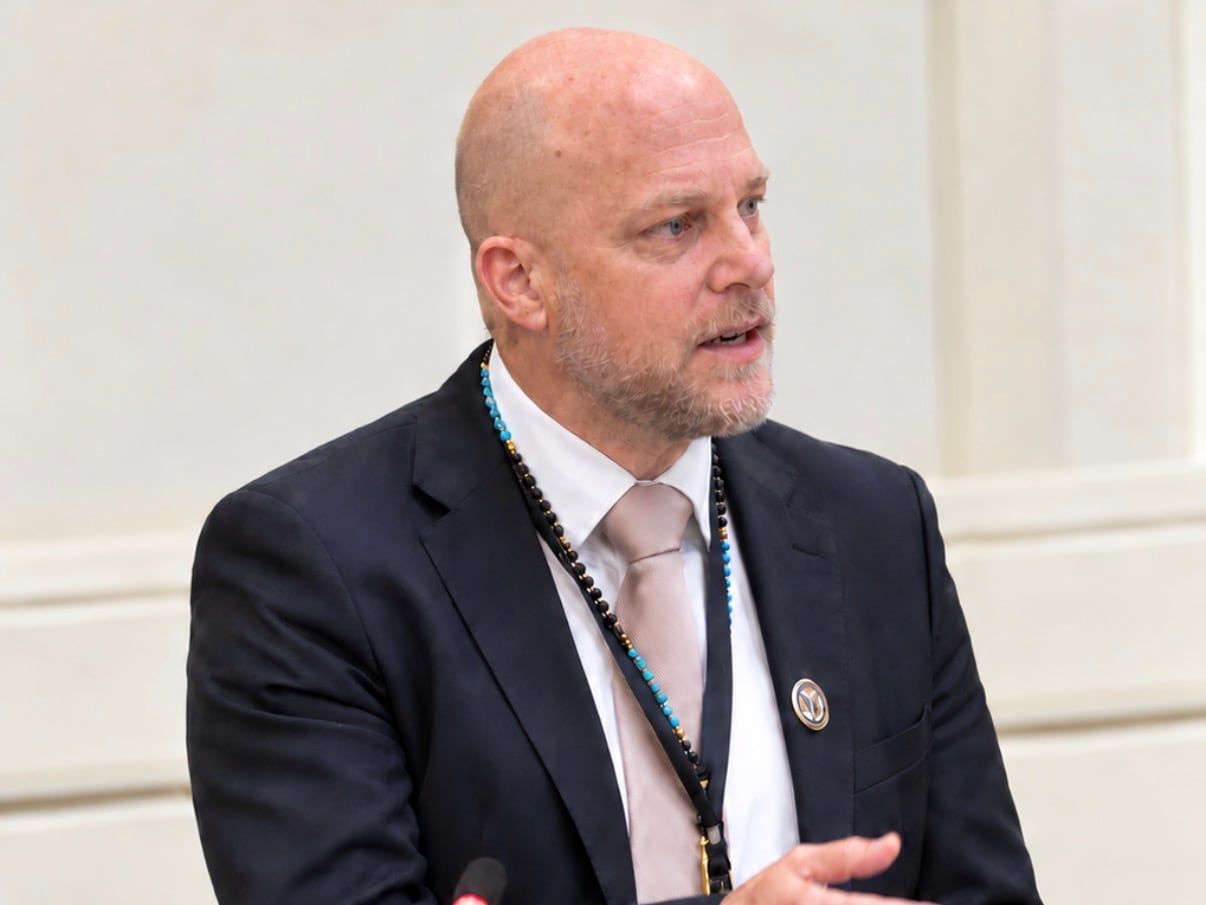
Mike Fuhrmann is co-founder of VYRA Wellness and a Human State Architect. He has personally guided more than 3,500 sessions and speaks internationally about overstimulation and the art of switching off.
Sources
New insights by email
New articles and routines from the VYRA editorial team, at a calm pace.